We need more kintsugi
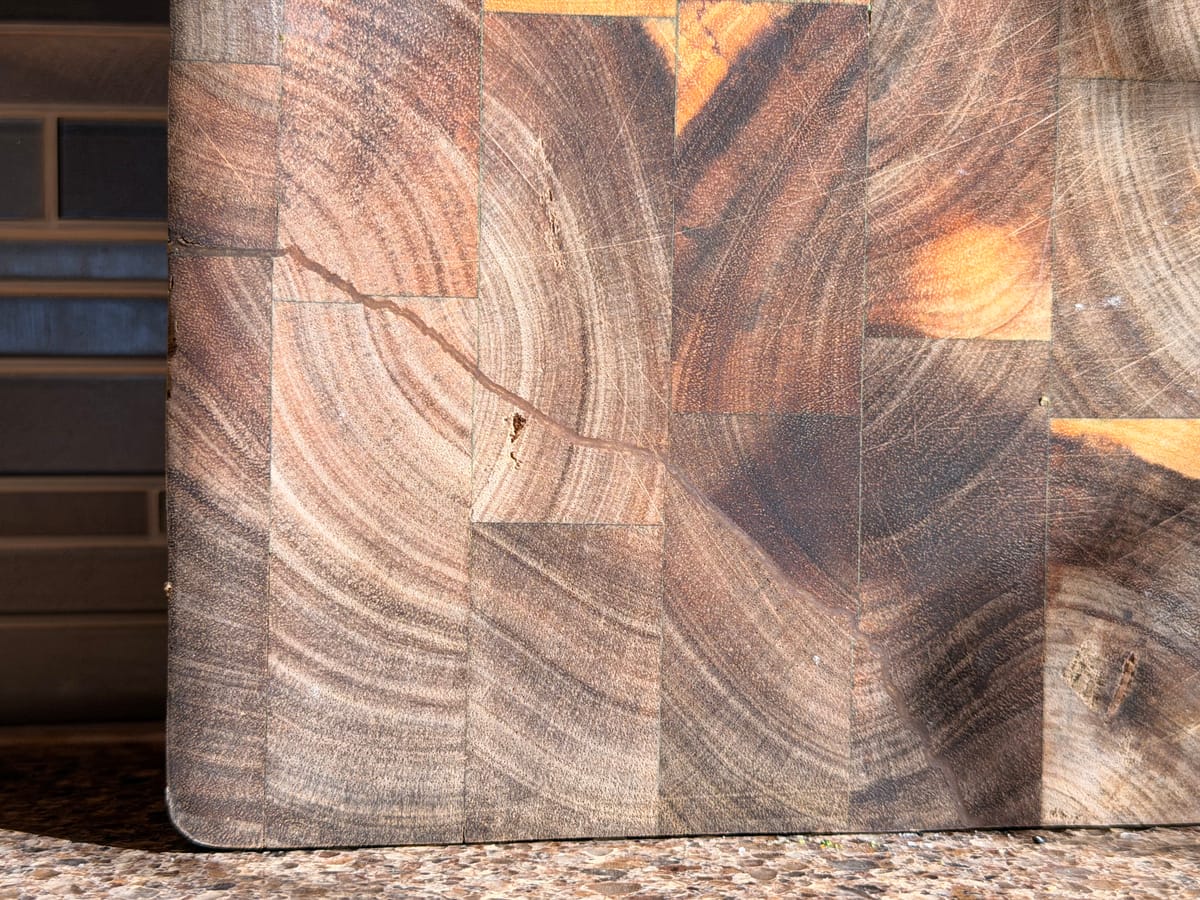
It was several years ago when I heard a big kerfuffle emanate from the kitchen. A couple of wooden clunks banging against the floor, followed by a soft and disappointed, “Oh no." Dad was visiting, and washing dishes at the time. I meandered into the kitchen with genuine curiosity of what the noise was.
”I’m so sorry, son. I just-“
“It’s alright, Dad.“
I was a little annoyed to see my favorite wooden cutting board laying in two pieces on the ground. That annoyance didn’t last long, though. I picked up the two pieces and examined them. It had split via the most beautiful crack!
“I can buy you a new one, or if you tell me how to fix it, I'll handle it. I’m really sorry.”
My father was an insanely integral man. He had taught me the principles of respect, craft, and “doing the right thing”. To him, this was extremely upsetting.
“Dad, don’t worry about it. A little wood glue and it’ll be good as new.“
“Let me know if I can help.”
“I got it.”
It was probably about a week later when I got around to it, but when I did, the striking beauty of the crack that had formed kept catching my attention. I thought that maybe instead of doing the easy thing and glueing it back together, I’d try my hand at wooden “Kintsugi”. A Japanese type of pottery that focused on highlighting cracks via gold joinery.
Instead of a few minutes, this technique took me a few days. Prep, epoxy, drying, re-honing the board to the right size. In the end, there was this beautiful board, resurfaced, with a highlighted gold crack in the corner.
When I brought it to the kitchen finally, Dad took one look and apologized again.
“Dad, don’t sweat it. Look at how cool it is now! A story; a little character.”
I don’t think he quite understood why I’d highlight an imperfection like that. In fact, after the second apology I was worried he had determined it was some underhanded way to sleight him for an innocent accident! I loved the cutting board even more, now, though. Time went on.
Over a year later, he passed away unexpectedly.
The board now stands as a physical re-telling; a little piece of my Dad. When we don’t have each other to tell stories any more, I at least have kintsugi. I saw the beauty in it before, but now, I see the story.
This was a perfect example of something you don’t want until you need it. Something that can’t be created on demand. The act of being cautious, and planning, versus acting on your first thought, and embracing the imperfection of what you have.
We all need a little more kintsugi.
Whether it’s the technology we’re working with, or the people on our teams. Everything and everyone has characteristics that make them imperfect. Obsession on perfection means you’ll never find it. Finding perfection in imperfection is hard, but worth it all the same.
When was the last time you approached a difficult problem and the result of which was incredibly satisfying? I’ll bet there were imperfect tradeoffs along the way. When someone eventually has to refactor your solution, they‘ll find those characteristics. It’ll probably be telling of the time and energy you spent solving the problem.
We must be comfortable with imperfection. In technology, rarely is the solution throwing away everything and starting anew. (See Joel Spolsky’s commentary on “the single worst strategic mistake that any software company can make: They decided to rewrite the code from scratch“)
The teams you build will eventually make software that is shaped around them. I say, embrace that.
Try a little kintsugi [noun as a verb].